Heating not working properly? The two-minute vent temperature check you can do yourself
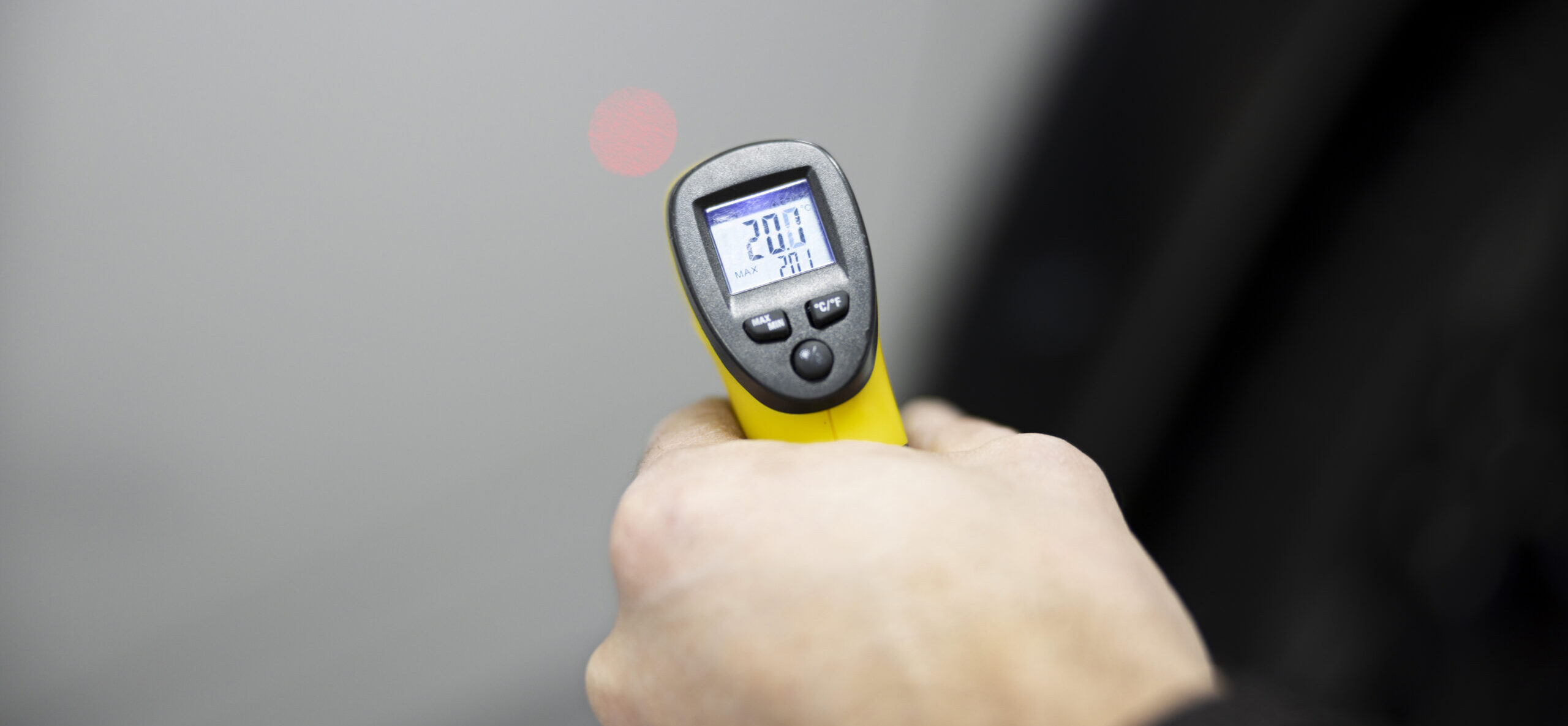
A heater that turns on isn’t the same as a heater that’s working properly. Plenty of Melbourne homes run their ducted heating all winter using more power than they should, quietly costing their owners money, without the system ever fully breaking down. If your heating is running but the house never quite gets there, there’s a simple check most homeowners can do themselves in about two minutes, using a basic infrared thermometer.
This works for gas ducted heating, ducted reverse cycle, and split systems.
What you need to check your heating vent temperature
An infrared (non-contact) thermometer. The cheap ones from Amazon or Bunnings, twenty to thirty dollars, are accurate enough for this. You don’t need anything professional grade.
How to test whether your ducted heating is working properly
- Turn your system on and let it run for about ten minutes. It needs time to reach a steady state before the reading means anything.
- Stand close to one of your main vents, ideally in a room you spend a lot of time in.
- Point the thermometer straight into the vent opening, not at an angle from across the room. Infrared thermometers read the surface they’re pointed at, not the air itself, so the closer and more direct the angle, the closer the reading is to the actual air temperature.
- Note the number.
That’s it. No tools, no access panels, nothing to open up.
What temperature should your heating vents be?
The exact number depends on your system and the temperature of the air going back into it, but as a general guide:
| System type | Supply air temperature (at the vent) |
|---|---|
| Reverse cycle split or ducted (heat pump) | Roughly 32°C to 46°C |
| Gas ducted heating | Roughly 40°C to 60°C |
Gas ducted systems run hotter than reverse cycle systems. That’s normal and doesn’t mean one is better than the other, it’s how the two technologies work. A gas heater burns fuel to create heat, so it produces a smaller volume of very hot air. A reverse cycle system moves heat rather than creating it, so it produces a larger volume of gently warm air and puts the same amount of heat into the room over a longer run. That difference in design is also why the two cost very different amounts to run. If you’re weighing up the two, we’ve written a separate guide on whether reverse cycle is cheaper to run than gas ducted heating.
The important thing isn’t matching an exact number, it’s whether your reading falls roughly in the right band for your system type, and whether the air actually feels warm coming out, not lukewarm.
Why is my ducted heating not blowing hot air?
A reading noticeably below these ranges usually points to one of a few common causes:
- – A dirty or clogged filter, restricting airflow
- – Low refrigerant in a reverse cycle system or split system
- – A gas pressure or burner issue in a ducted heater, common on older Brivis, Braemar, Bonaire and Vulcan units
- – Ductwork that’s crushed, disconnected, or leaking before the air reaches the vent
None of these are emergencies, but all of them mean the system is working harder than it needs to, using more power than necessary, and probably not heating your home as well as it could. Left long enough, some of them turn into bigger repairs.
When to book a heating service instead
This test is a general guide, not a diagnosis. If your reading is well outside the range, if one room runs noticeably cooler than the rest of the house, or if your power bills have crept up without an obvious reason, it’s worth having someone look properly rather than guessing further.
That’s exactly what a service visit is for. We’ll check the filter, the gas pressure, the ductwork and the refrigerant, and tell you plainly what we find, whether it’s a five-minute fix or something bigger.
If you’d like us to take a look, get in touch. We’re happy to help, whether we installed your system or not.
Frequently Asked Questions
What should I do if my heating vent temperature is below these ranges?
Start with the two things you can check safely yourself. Take the filter out and look at it against the light, and walk the house making sure no vents are closed, blocked by furniture, or shut off in rooms you don’t use. Closing too many vents raises pressure in the ducts and can drop the temperature at the ones still open.
If the filter is clean and the vents are clear and the reading is still low, stop there. The remaining causes are gas pressure, refrigerant charge and ductwork, and none of those are homeowner jobs. Gas work must be done by a licensed gasfitter and refrigerant work requires an ARC licence. Book a service and have it measured properly.
Can I improve my heater’s performance myself?
Yes, and it is worth doing before you spend money on anything else. Four things make a real difference:
- – Clean or replace the filter. This is the single most common cause of weak airflow, and on most ducted systems it is a two-minute job. Every three months through the heating season is a reasonable habit.
- – Open your vents. Blocked or closed vents cost you more than they save.
- – Set the thermostat and leave it. Pushing it to 30°C does not heat the house faster, it just runs the system longer past the point you wanted.
- – Close doors to rooms you are not heating, but leave enough of the house open that the system is not fighting against a nearly sealed duct network.
What you cannot do yourself is top up refrigerant, adjust gas pressure, or reseal ductwork in the roof space. Those need a licensed technician.
Why is my ducted heating not turning on at all?
That is a different problem to weak heat, and the vent test will not help you with it. Check the obvious first: the thermostat has power and is set to heat, the isolation switch near the unit is on, and the circuit breaker has not tripped. Many gas ducted systems also lock out after a failed ignition attempt and need a reset at the unit.
If the system is showing a fault code on the controller, that code tells a technician most of what they need to know before they arrive. Our heating and cooling error codes page lists the common codes for the major Melbourne brands.
What temperature should I set my ducted heating to in winter?
Between 18°C and 21°C is the usual recommendation for Melbourne homes, and around 20°C is where most people land. Every degree above that adds to your running cost without adding much comfort.
Note that this is the thermostat setting, which is the temperature you want the room to reach. It is a different number from the vent temperature in the table above, which is the temperature of the air coming out of the system. The vent air should always be considerably hotter than your thermostat setting.
How often should ducted heating be serviced?
Once a year is the general guidance for both gas ducted and reverse cycle systems, ideally before the season starts rather than in the middle of the first cold snap.
For gas heaters there is a safety reason as well as a performance one. Energy Safe Victoria, the state’s energy safety regulator, recommends you have your heater serviced at least once every two years by a qualified gasfitter, and testing for carbon monoxide leakage is part of that service. Their guidance applies to any gas heater, new or old, including ducted units, space heaters, wall furnaces and decorative log fires.
Carbon monoxide has no smell and the early symptoms look like a cold or a headache, so it is not something you can detect yourself. Energy Safe Victoria’s full home gas heating safety guidance is worth reading if you want the detail. If your heater is gas and it has not been tested, that is worth booking regardless of what your vent temperature reads.
Does reverse cycle heating work as well as gas ducted heating in Melbourne?
Yes, though it behaves differently and that catches people out. A reverse cycle heat pump delivers air at a lower temperature than gas, typically in the 32°C to 46°C range against 40°C to 60°C for gas, so it can feel less immediately hot at the vent while still heating the house perfectly well. It also runs for longer periods at a steadier output rather than blasting and cycling off.
If you have recently moved from gas to reverse cycle and it feels weaker, check the vent temperature against the reverse cycle band rather than the gas one before assuming there is a fault. Modern heat pumps hold their output well in Melbourne winters.
On running costs the two are genuinely different, and with gas prices where they are it is the question most people actually want answered. We cover it properly in our guide to gas ducted heating versus reverse cycle, including the published research on what the changeover saves a Melbourne home.
 Ducted Reverse Cycle
 Split Systems
 Central Air Conditioning
 Reverse Cycle Ducted Systems
 Reverse Cycle Multi Split Systems
 Room Air Conditioners
 Ducted Gas Heaters
 Evaporative Cooling Systems